Artificial Intelligence has already transformed how we search, communicate, work, and create. Yet despite remarkable technical progress, much of today’s AI still feels tool-centric rather than human-centric. It responds when prompted, automates when instructed, and optimizes for efficiency — but it rarely understands the broader context of human intentions, emotions, or long-term goals.
The next evolution of Human-Centric AI will move beyond automation toward meaningful collaboration. Instead of acting as a passive instrument, future AI systems will function as proactive partners that anticipate needs, adapt to individual preferences, and enhance human decision-making in real time.
From Task Automation to Context Awareness
Early generations of AI focused on solving narrow problems: recognizing images, recommending content, optimizing logistics, or generating text. These capabilities remain valuable, but they represent only the first layer of transformation.
The emerging generation of AI is beginning to understand context — the combination of environment, personal history, behavioral patterns, and situational goals. A truly human-centric system will not only know what a user asks, but also why they ask it.
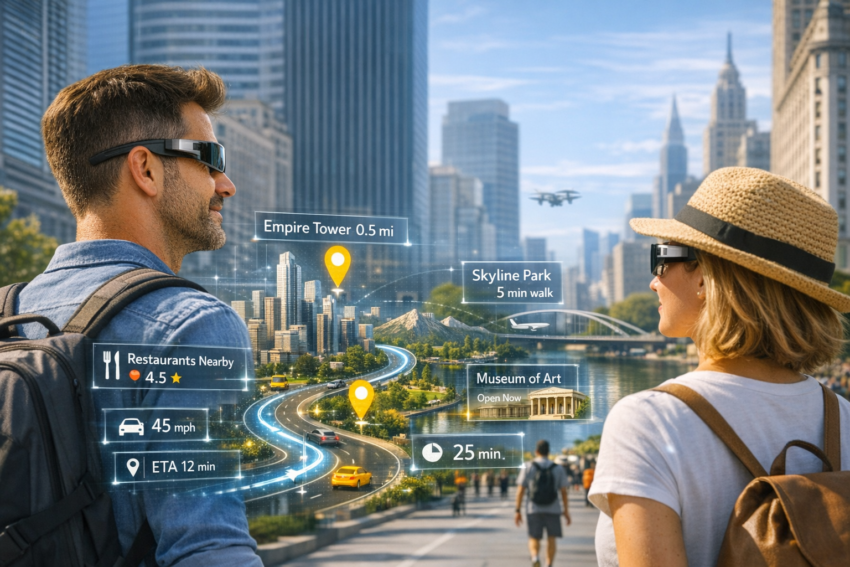
Imagine navigating an unfamiliar city while your AI assistant quietly monitors traffic patterns, weather conditions, calendar commitments, and even your stress level. Instead of simply giving directions, it might suggest an alternative route, reschedule a meeting, or recommend a nearby workspace. This is not just convenience — it is cognitive augmentation.
Personalization as a Core Design Principle
The next phase of AI development will place personalization at the center of system architecture. Rather than offering generic optimization, human-centric AI will continuously learn from individual behaviors and values.
This evolution raises important design questions:
- How can AI adapt without becoming intrusive?
- How can personalization remain transparent and trustworthy?
- How can systems empower human agency rather than replace it?
Addressing these questions will define the competitive landscape of future technologies. Companies that succeed will be those that design AI around human outcomes, not only technical performance.
The Rise of Proactive Intelligence
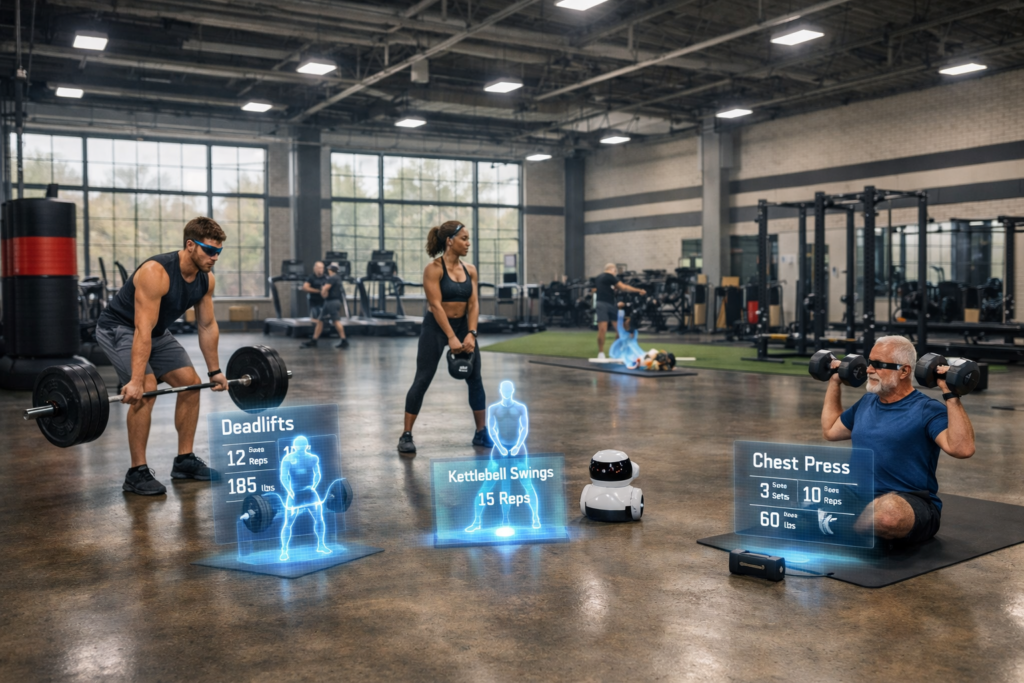
Today’s digital assistants are largely reactive — they wait for commands. Tomorrow’s AI will be proactive. It will detect patterns, predict needs, and recommend actions before users consciously recognize opportunities or risks.
For example, in personal finance, an intelligent assistant could analyze spending habits, life goals, and market conditions to suggest optimal timing for major purchases or investments. In healthcare, AI could monitor lifestyle indicators and recommend preventive interventions long before symptoms appear. In professional environments, it could help individuals prioritize tasks aligned with their long-term ambitions rather than short-term urgencies.
This shift from reactive to proactive intelligence will redefine productivity and well-being.
Ethical Alignment and Trust
Human-centric AI cannot evolve without strong ethical foundations. As systems become more autonomous and personalized, issues of privacy, bias, and accountability will become even more critical.
Future AI frameworks will need to integrate:
- Explainability — helping users understand how decisions are made
- Control mechanisms — allowing humans to adjust autonomy levels
- Value alignment — ensuring systems reflect human priorities
Trust will become the most valuable currency in the AI economy. Organizations that earn it will shape the next technological era.
Toward Symbiotic Intelligence
Ultimately, the next evolution of human-centric AI points toward a model of symbiotic intelligence — a partnership where human creativity, intuition, and ethics combine with machine speed, scale, and analytical depth.
In such a future:
- AI will reduce cognitive overload rather than increase digital noise
- Technology will adapt to human rhythms instead of forcing behavioral change
- Innovation will focus on enhancing human potential, not replacing it
This transformation will not happen overnight. It will require interdisciplinary collaboration among technologists, designers, psychologists, policymakers, and entrepreneurs. Yet the direction is clear: the future of AI is not about machines becoming more human — it is about technology becoming more meaningfully aligned with human life.
The next chapter of artificial intelligence will be defined not by algorithms alone, but by how deeply technology understands and supports the people it serves.
This blog post was written and photos are made with the assistance of Gemini, Copilot and ChatGPT, Sora based on ideas and insights from Edgar Khachatryan.