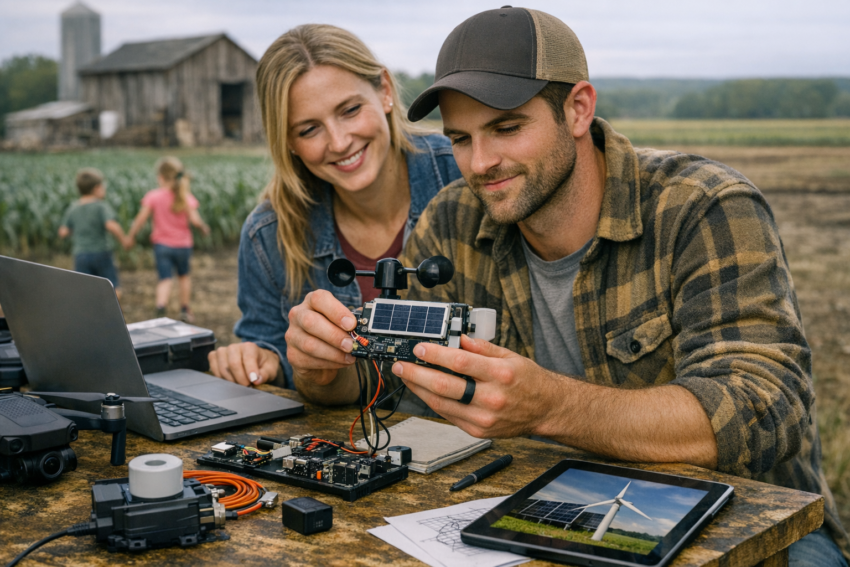
Innovation often hides where people least expect it. As someone who has traveled globally and observed business ecosystems, I believe that rural innovation—ideas born outside of urban-centres—holds untapped potential for massive breakthroughs. Here’s why the next billion-dollar idea might emerge from the countryside.
1. Constraints Breed Creativity
Rural communities often face resource constraints: limited infrastructure, fewer specialists, less capital. But those constraints become creative pressure-cookers. Necessity forces novel workflows, frugal innovation, and adaptive reuse. Think of the “jugaad” models seen in India, or remote-area renewable energy systems. These give rise to lean, resilient business models that scale globally.
2. Unique Contexts, Unique Solutions
Urban innovation tends to focus on incremental improvements in saturated markets. Rural innovation often addresses problems that urban innovators ignore — e.g., agriculture automation, decentralized energy, circular economy solutions, tele-health for remote populations, logistics for low-density regions. These may initially seem niche, but because they’re underserved, they offer green-field opportunities.
3. Lower Cost, Lower Risk, Fewer Distractions
Startups based in urban hubs face fierce competition, rising costs, hype-cycles. Rural setups often benefit from lower overheads, community support, and fewer distractions. With digital connectivity, a rural startup can access global markets while keeping local costs down. The challenge: infrastructure and networks — but that’s changing rapidly (broadband, remote collaboration, cloud services).
4. Emerging Infrastructure & Global Trends
Three macro trends favour rural innovation:
- Decentralization of production and services: With remote work and digital platforms, location matters less.
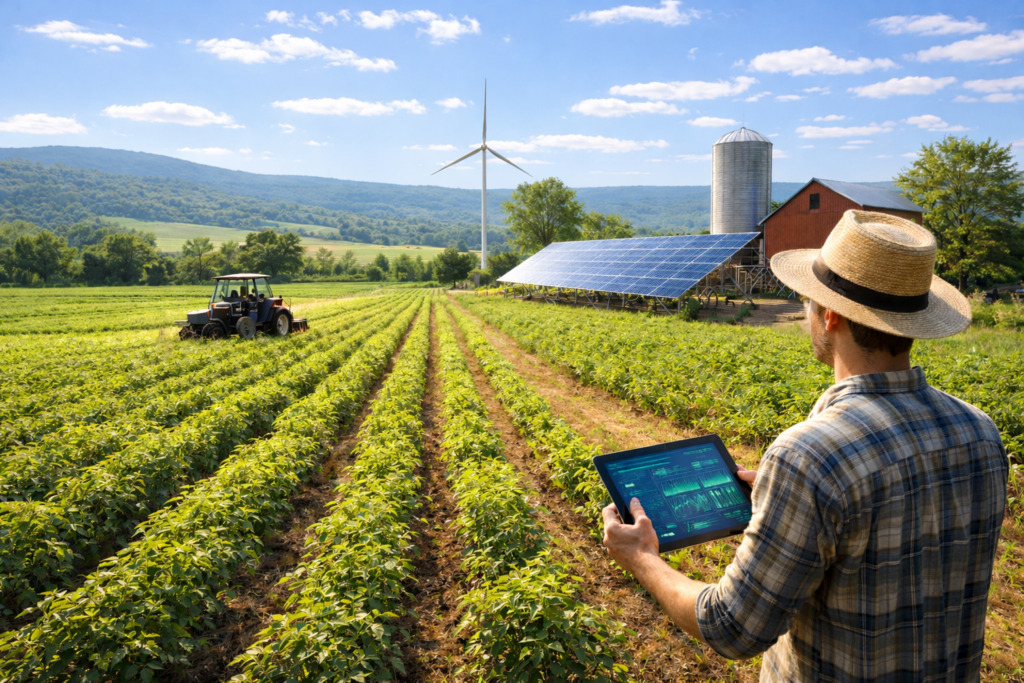
- Renewables, circular systems: Rural areas are often energy-rich (wind, solar, biomass) but infrastructure-poor — ideal for innovation in micro-grids, storage, local manufacturing.
- Inclusive growth & impact investing: Investors increasingly look for dual returns (profit + social impact). Rural innovation checks that box.
5. What It Takes to Scale
A rural startup that will become a billion-dollar company must:
- Expand beyond local context: Build modular, replicable business models that can be adopted in many geographies.
- Leverage technology: Use cloud, IoT, AI, digital platforms to amplify reach.
- Build ecosystem links: Partnerships with universities, corporations, global distributors help scale.
- Maintain roots: The advantage often comes from local authenticity and understanding of context.
6. My Travel-Driven Insight
Over 20 years and 4 million + miles of travel, I’ve seen that ideas bubble up in unexpected places: a mobile payment system in rural Africa, a precision irrigation startup in South America, a community-driven renewable project in Southeast Asia. These were local solutions to local problems — but the problems were universal. Entrepreneurs who see global application in rural solutions will win.
7. A Call to Action for Entrepreneurs & Investors
If you’re an entrepreneur: look beyond the urban startup hubs. Visit remote regions, listen to local needs, imagine scalable solutions. If you’re an investor: diversify toward rural innovation — not just for impact, but because the next high-growth business may come from a place others overlook.
Conclusion
Rural innovation is not “lesser” innovation. It is high-leverage innovation — born of necessity, nourished by constraint, and often ideally placed for global expansion. The next billion-dollar idea might not emerge from Silicon Valley — it might come from a small town, a remote community, a region just starting to harness digital connectivity. And that’s worth paying attention to.
This blog post was written and photos are made with the assistance of Gemini, Copilot and ChatGPT, Sora based on ideas and insights from Edgar Khachatryan.